
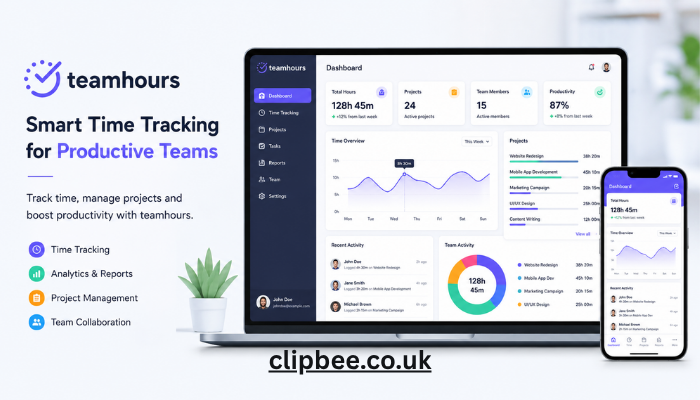
In today’s fast-paced digital work environment, businesses are constantly searching for better ways to manage time, productivity, and collaboration. One of the most effective solutions emerging in this space is teamhours, a modern concept and toolset designed to help teams track working hours, optimize performance, and improve accountability across projects.
Whether you run a small startup, manage a remote team, or lead a large enterprise, understanding how teamhours works can significantly improve how efficiently your organization operates. It goes beyond traditional time tracking by integrating productivity insights, workflow management, and team coordination into one system.
In this comprehensive guide, we will explore what teamhours means, how it works, its core features, benefits, and why it is becoming essential in modern workplaces. We will also answer common questions to help you fully understand its value.
What is Teamhours and Why It Matters in Modern Workplaces
Teamhours refers to a structured system or approach used to track, manage, and optimize the working hours of teams. Unlike basic time tracking tools, it focuses not only on recording hours but also on analyzing how those hours contribute to productivity and project outcomes.
In modern workplaces, especially those using hybrid or remote work models, managing time effectively is one of the biggest challenges. Teamhours helps solve this by offering transparency in how employees spend their time, making it easier for managers to identify inefficiencies and improve workflows.
Another reason teamhours matters is its ability to support accountability. When teams know their work hours are properly tracked and analyzed, it naturally encourages better focus and responsibility. This creates a healthier and more productive work environment.
Additionally, teamhours plays a crucial role in project management. It allows businesses to allocate resources more effectively, estimate project timelines accurately, and ensure deadlines are met without unnecessary stress or overtime.
Core Features of Teamhours for Productivity and Efficiency
One of the most important aspects of teamhours is its feature-rich system designed to simplify workforce management. These features typically include time tracking, reporting dashboards, and productivity analytics that give managers a clear overview of team performance.
Time tracking in teamhours allows employees to log their working hours automatically or manually. This ensures that every minute spent on tasks is recorded accurately, helping organizations understand how time is distributed across different projects.
Another key feature is productivity reporting. Teamhours systems often generate detailed reports that highlight working patterns, peak productivity hours, and time wastage. These insights are extremely valuable for improving operational efficiency and decision-making.
Collaboration tools are also an essential part of teamhours platforms. These tools allow team members to communicate effectively, share updates, and stay aligned on project goals. By integrating communication and time tracking, teamhours creates a more unified workflow environment.
Finally, automation is a powerful feature within teamhours systems. Automated reminders, timesheet generation, and activity tracking reduce manual work and help teams focus more on actual tasks rather than administrative duties.
Benefits of Using Teamhours for Businesses and Teams
The adoption of teamhours brings several benefits to businesses of all sizes. One of the most significant advantages is improved productivity. By tracking how time is spent, teams can identify and eliminate inefficient work habits, leading to better performance overall.
Another major benefit of teamhours is transparency. Managers can clearly see how employees are utilizing their time, while employees can understand their own productivity patterns. This mutual transparency builds trust within the organization.
Cost efficiency is also a major advantage. With teamhours, businesses can reduce wasted time and unnecessary overtime, which directly impacts operational costs. This is especially important for companies that bill clients based on hourly work.
Teamhours also enhances project accuracy. When time data is recorded consistently, businesses can better estimate future projects, allocate resources more effectively, and avoid delays. This leads to more reliable project delivery and client satisfaction.
Additionally, it supports remote and hybrid work models. Since teamhours operates digitally, teams can stay connected and accountable regardless of location. This flexibility makes it ideal for modern global businesses.
How Teamhours Improves Team Collaboration and Workflow Management
One of the standout advantages of teamhours is its ability to improve collaboration among team members. By providing a shared platform where all activities are tracked and visible, it ensures everyone stays aligned with project goals.
In traditional setups, communication gaps often lead to delays and misunderstandings. However, teamhours minimizes these issues by centralizing information such as task progress, deadlines, and working hours in one place.
Workflow management also becomes significantly easier with teamhours. Managers can assign tasks, monitor progress, and adjust workloads in real time. This dynamic approach ensures that no team member is overburdened while others are underutilized.
Another important aspect is accountability within workflows. Since every activity is tracked, team members become more responsible for their tasks. This improves overall discipline and ensures that projects move forward smoothly.
Moreover, teamhours enhances cross-team collaboration. Different departments can coordinate more effectively by understanding how their work intersects with others, leading to a more synchronized organizational structure.
Challenges and Limitations of Teamhours Systems
Although teamhours offers many advantages, it is not without challenges. One common issue is user adaptation. Some employees may initially feel uncomfortable with time tracking systems, especially if they are not used to detailed monitoring.
Another limitation is data accuracy. If employees forget to log hours or misuse the system, the insights generated by teamhours may not fully reflect reality. This can affect decision-making and productivity analysis.
Technical complexity can also be a barrier for smaller businesses. Some teamhours platforms come with advanced features that require training and onboarding, which can take time and resources.
Privacy concerns are another important factor. Employees may feel that constant tracking impacts their privacy or autonomy. Businesses must balance transparency with trust to ensure a positive work environment.
Despite these challenges, most organizations find that the benefits of teamhours outweigh the limitations, especially when implemented thoughtfully and transparently.
Conclusion
In conclusion, teamhours has become an essential concept in modern workforce management. It goes beyond simple time tracking and offers a complete system for improving productivity, collaboration, and accountability within teams.
From small businesses to large enterprises, teamhours helps organizations understand how time is used and how it can be optimized for better results. While there are some challenges in adoption, the long-term benefits such as improved efficiency, better project management, and cost savings make it a valuable investment.
As workplaces continue to evolve toward digital and remote models, tools and systems like teamhours will play an even more important role in shaping the future of work.
FAQs
1. What is teamhours used for?
Teamhours is used for tracking team working hours, improving productivity, and managing workflows efficiently.
2. Is teamhours suitable for remote teams?
Yes, teamhours is highly effective for remote and hybrid teams due to its digital tracking and collaboration features.
3. Does teamhours improve productivity?
Yes, by analyzing time usage and identifying inefficiencies, teamhours helps improve overall productivity.
4. Is teamhours only for large companies?
No, teamhours can be used by startups, small businesses, and large enterprises alike.
5. Can teamhours replace manual timesheets?
Yes, most teamhours systems automate timesheet generation and eliminate the need for manual tracking.
6. Is teamhours difficult to use?
Most modern teamhours platforms are user-friendly, though some advanced features may require training.
7. How does teamhours help managers?
It gives managers insights into team performance, project progress, and time allocation.
8. Does teamhours track employee activity?
Yes, depending on the system, it can track time spent on tasks and overall activity levels.
9. Can teamhours reduce business costs?
Yes, it helps reduce wasted time and unnecessary overtime, leading to cost savings.
10. Is teamhours safe to use?
Yes, most platforms are designed with security and data protection measures to ensure safe usage.
